September 3, 2026
Choosing the right siding for your home is a critical decision that impacts aesthetics, durability, and overall property value. Siding serves as the primary protective layer against weather elements while shaping curb appeal and energy efficiency. The wide array of materials available today allows homeowners to select options tailored to their personal preferences, regional climate conditions, and budget constraints. Partnering with professional siding contractors ensures that your chosen material is installed correctly according to strict manufacturer specifications. In this article, we explore six popular types of siding, highlighting their features, benefits, and maintenance requirements.
1. Vinyl Siding
Vinyl siding has grown exponentially in popularity since its introduction in the late 1950s. Originally developed as an alternative to aluminum, it has become a staple in residential construction due to its affordability and low maintenance. Modern manufacturing advancements have enhanced its durability, offering better UV resistance and a variety of colors and textures that convincingly replicate natural wood grain.
One of the primary advantages of vinyl is its cost-effectiveness, making it an accessible choice for budget-conscious projects. It is inherently resistant to rot, rust, and wood-boring pests, eliminating many common maintenance issues. When paired with insulated backing, vinyl siding can also improve home energy efficiency, helping regulate indoor temperatures and lower utility expenses. Experienced siding contractors can efficiently install vinyl systems, minimizing labor time and project disruptions.
However, vinyl does present a few drawbacks. Because it is manufactured from polyvinyl chloride, it carries environmental concerns regarding disposal and non-biodegradability. Extreme temperature fluctuations can cause vinyl to expand and crack, and direct heat exposure may cause warping or melting. Additionally, while modern designs look impressive, design purists may still prefer the authentic depth and texture of real wood or stone.
2. Wood Siding
Wood siding remains a timeless choice celebrated for its organic beauty, rich character, and warmth. Available in various styles—including lap, shingles, vertical boards, and shake—it complements traditional, rustic, and modern architectural styles alike. Common species used include cedar, redwood, and pine, each providing distinct grain patterns, natural decay resistance, and structural stability.
The aesthetic versatility of wood is unmatched, as it can be painted or stained in virtually any color to reflect personal taste. Wood is also an eco-friendly option when harvested from sustainably managed forests, as it is naturally biodegradable. Furthermore, wood offers excellent natural insulating properties, helping maintain comfortable indoor temperatures during seasonal weather changes.
Despite its beauty, wood demands diligent ongoing care. It is susceptible to moisture damage, wood rot, and pest infestations if left unsealed. According to This Old House, wood siding should be repainted every seven to 10 years to protect it from elemental wear. The higher initial material costs and ongoing upkeep expenses mean that homeowners must be prepared for long-term maintenance investments.
3. Fiber Cement Siding
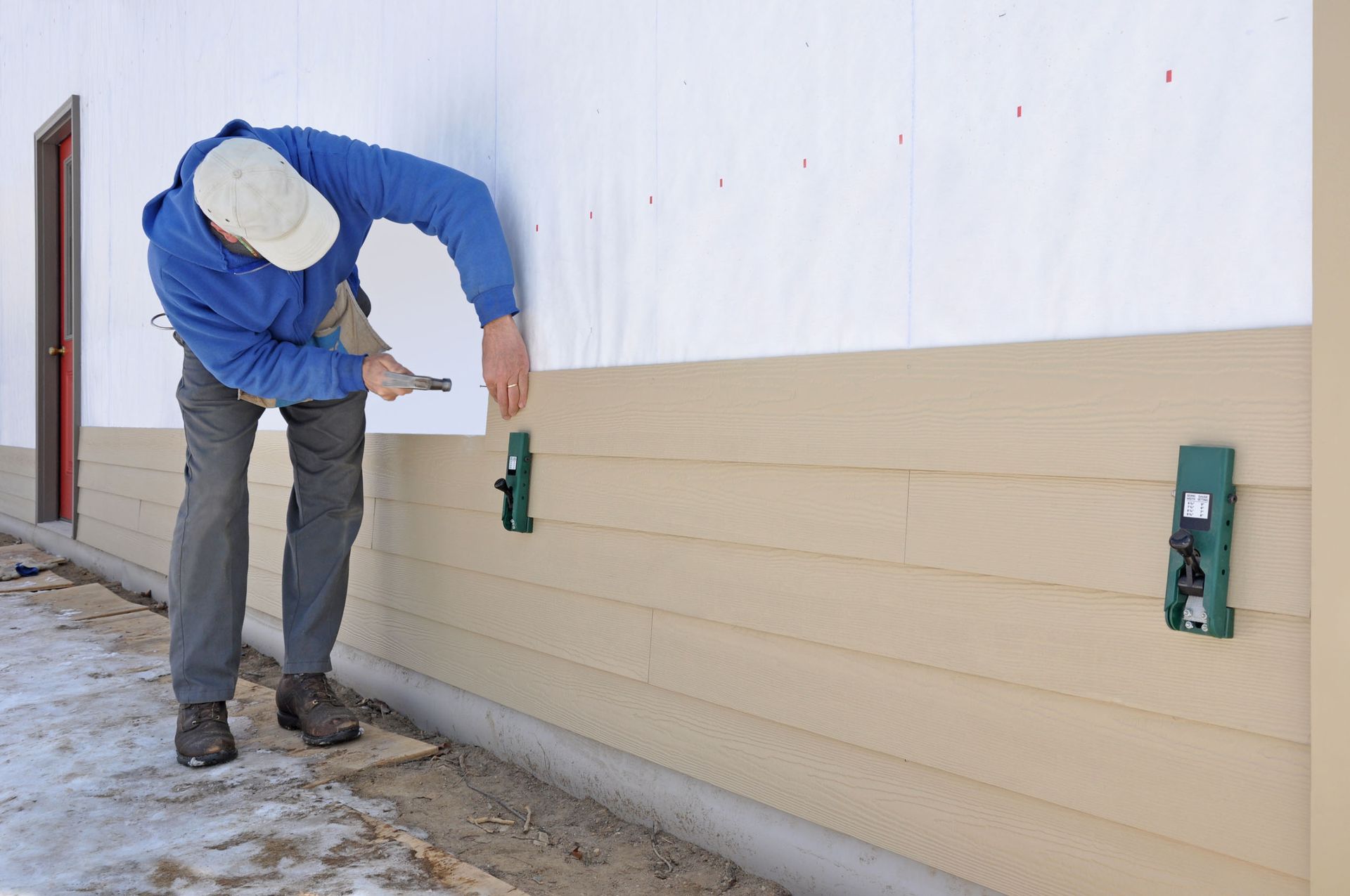
Fiber cement siding has gained massive popularity as a high-performance hybrid material. Composed of a durable mixture of Portland cement, sand, water, and cellulose fibers, it combines the realistic texture of natural wood with exceptional structural resilience. It can mimic traditional lap siding, wood shingles, or smooth modern panels with remarkable accuracy.
The performance benefits of fiber cement are substantial. It is non-combustible, offering superior fire resistance compared to wood or vinyl. It resists rot, warping, cracking, and severe weather exposure, making it ideal for harsh climates. Furthermore, fiber cement holds paint significantly longer than raw wood, reducing repainting frequency and long-term upkeep requirements.
On the downside, fiber cement is heavy and rigid, requiring specialized cutting tools and handling techniques. As a result, installation costs are higher, and homeowners should rely on certified siding contractors to manage the heavy materials and execute precise installations. Despite higher upfront labor expenses, its long lifespan provides an impressive return on investment.
4. Metal Siding
Metal siding, primarily manufactured from aluminum or steel, offers a sleek, durable, and low-maintenance exterior solution. Long favored in commercial construction, it has gained significant traction in contemporary residential architecture. It is available in pre-finished horizontal panels, standing seam panels, and textured profiles that mimic traditional wood clapboard.
A major benefit of metal siding is its extreme durability and weather resistance. Steel and aluminum are completely fireproof, impervious to rot and insect infestation, and highly resistant to heavy winds. Metal siding is also fully recyclable at the end of its lifespan, appealing to eco-conscious homeowners. With modern factory-applied coatings, metal requires minimal maintenance beyond occasional power washing.
The primary disadvantages involve upfront material costs and physical impact vulnerability. Aluminum is susceptible to denting from heavy hail or stray sports equipment, while steel can rust if protective coatings are deeply scratched. Metal can also transmit thermal energy readily, making high-quality insulation behind the panels essential for energy performance.
5. Stucco Siding
Stucco is a traditional masonry finish made from Portland cement, lime, sand, and water, applied over a wire lath base in multiple coats. It is especially prominent in Mediterranean, Spanish Colonial, and Southwestern architectural styles. Stucco creates a smooth, seamless exterior envelope that can be tinted or textured to match specific design visions.
Stucco offers outstanding durability, excellent fire resistance, and superior sound dampening. Its dense mass acts as a thermal buffer, keeping homes cooler during hot summers and warmer during cold winter months. When maintained properly, traditional stucco can easily last for several decades without requiring major structural repairs or panel replacements.
However, stucco requires a stable foundation, as ground settling can lead to surface cracking. It is also less suited for excessively wet climates, as prolonged moisture exposure can lead to water penetration behind the hard coat. Because applying stucco is a multi-step, labor-intensive trade, hiring specialized siding contractors with masonry expertise is vital for a flawless, long-lasting application.
6. Brick and Manufactured Stone Veneer
Brick and manufactured stone veneer provide a premium, high-end appearance that adds immediate curb appeal and long-term value to any property. Authentic brick masonry uses fired clay, whereas manufactured stone utilizes lightweight concrete mixes poured into detailed molds to replicate natural ledge stone, fieldstone, or river rock.
The advantages of brick and stone veneer center on structural longevity and minimal maintenance. They do not fade, rot, dent, or require painting, offering unmatched defense against fire, pests, and severe weather. Their heavy thermal mass provides high energy efficiency, while their classic texture delivers an upscale aesthetic that stands out in any neighborhood.
The main obstacle for stone and brick veneer is the significant initial expense. Material costs are high, and installation requires skilled labor and extensive wall prep to support the weight and prevent water trapping. Relying on professional siding contractors ensures proper flashing, weep hole installation, and mortar mixing, protecting the home from structural moisture damage over time.
Selecting the right exterior cladding involves balancing aesthetic goals, local weather conditions, material longevity, and ongoing maintenance expectations. Whether you choose the budget-friendly convenience of vinyl, the classic elegance of wood, or the rugged durability of fiber cement, making an informed choice enhances both your daily living experience and your property value. Once you select the ideal material for your home, partnering with qualified siding contractors guarantees a seamless, professional installation that stands strong for decades. When you are ready to upgrade your home’s exterior with top-grade materials and expert craftsmanship, trust the experienced team at Your Home Source to deliver outstanding results tailored to your exact needs.